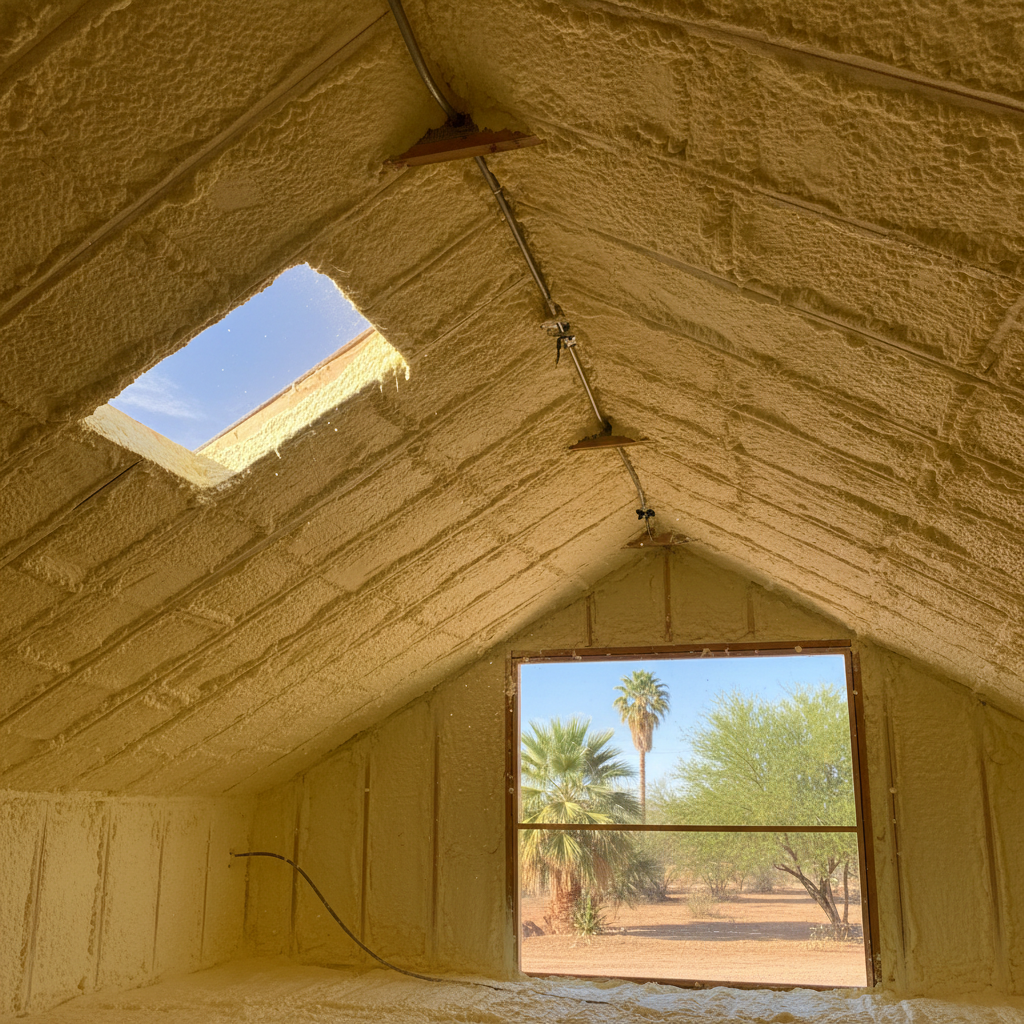
When's the Best Time to Install Closed-Cell Spray Foam in Tucson?
So, you're thinking about upgrading your home's insulation with closed-cell spray foam? That's a smart move, especially here in Tucson, where the heat can be brutal. But then you start wondering, "When's the best time to actually get this done?" Honestly, there isn't one perfect month. What we do have are better windows and certain conditions that make the job easier and the results better.
For new construction, it's a no-brainer: get the foam in before the drywall goes up. That's ideal because we can reach every single nook and cranny. This ensures you get a complete, truly sealed thermal envelope, which is exactly what you want.
Now, for existing homes, we're usually working in places like attics, crawl spaces, or inside wall cavities. The biggest thing for us, the crew, is the temperature. Closed-cell foam needs specific conditions to cure right. It's not just about how warm or cool the air is; the surface we're spraying onto needs to be at the right temperature too. If it's too cold, the foam might come out brittle or not expand correctly. Too hot, and it could cure too fast, which can cause problems with how well it sticks or its density. We're dealing with a chemical reaction here, after all, and just like baking a cake, the ingredients and the environment really matter.
Generally, I'd say spring and fall are prime times. The daytime highs are usually comfortable then, and the nights don't get too chilly. That gives us a nice, stable temperature range to work with. Summer in Tucson, with those 110-degree days, can be tough, especially in attics. We can still do the work, sure, but it means starting super early, taking more breaks, and making sure our crew stays hydrated. Winter isn't usually a problem here, unless we get one of those rare cold snaps where temperatures dip below freezing for a few days. We're always watching the forecast and will let you know if conditions aren't quite right for your specific project.
How Tucson Weather Really Affects the Job
Our desert climate isn't just about heat; we also deal with low humidity and those occasional dust storms. For closed-cell spray foam, humidity isn't as big a worry as it might be for some other materials, but surface moisture is. We absolutely cannot spray onto wet surfaces. So, if we get one of our monsoon downpours, we might need to push a job back a day or two to let everything dry out. This is especially true if we're working in an area that got exposed. You really don't want to trap moisture under your insulation, believe me.
Dust is another factor. While it won't directly hurt the foam's performance once it's cured, we aim for clean surfaces to get the best adhesion. If we've had a big dust storm, we'll need to do some extra prep work to make sure those surfaces are spotless before we start spraying. It's all about making sure that initial bond is as strong as possible, because once it's on, it's on for good.
Wind can also play a role, particularly if we're doing exterior work or if there are open areas. We certainly don't want overspray going where it shouldn't. We're professionals, and we take precautions, but sometimes Mother Nature just doesn't cooperate. We'll always tell you about any potential delays or adjustments we need to make because of the weather.
Protecting Your Closed-Cell Investment Year-Round
Once your closed-cell spray foam is installed by a reliable company like Tucson Spray Foam Solutions, it's pretty low maintenance. That's one of its big advantages, isn't it? It's durable, it won't settle, and it resists pests and moisture. But "low maintenance" doesn't mean "no maintenance."
- Keep an Eye Out: Every once in a while, especially if you're up in your attic for other reasons, just take a quick look around. Do any areas look damaged? Did someone run a new AC line right through it? If anything seems off, give us a call.
- Avoid Punctures: This is a really important one. Closed-cell foam is tough, but it's not indestructible. If you're running new wiring, plumbing, or doing any DIY projects that involve cutting into walls or ceilings where the foam is, be careful. A small puncture won't ruin everything, but it does mess with that airtight seal. If you do make a hole, it's best to get it repaired to keep things efficient.
- Pest Control: While spray foam isn't a food source for pests, and they generally don't like trying to chew through it, good overall pest control for your home is still important. You don't want critters trying to find ways around your excellent insulation.
- Ventilation: Even with superior insulation, proper attic ventilation is still crucial, especially in our hot climate. It helps manage heat and moisture that can build up, even with a sealed attic. We can advise you on what's appropriate for your setup.
Your closed-cell spray foam is a long-term investment in your home's comfort and energy efficiency. A little bit of awareness and care goes a long way in making sure it performs perfectly for decades. We're always here if you have questions or need a check-up.